Reviewing the Mom Life Design for Real Embroidery Projects
As a designer who has spent countless hours digitizing and stitching out thousands of designs, I have learned that not every graphic translates well to thread. When I first encountered Mom Life Design, Super Mom, my initial reaction was one of cautious optimism. The concept is timeless, but the execution in embroidery requires a delicate balance between readability and stitch efficiency. This review breaks down how this specific asset performs when moved from a digital screen to actual fabric, focusing on practical application for crafters and small business owners.
First Impressions and Visual Personality
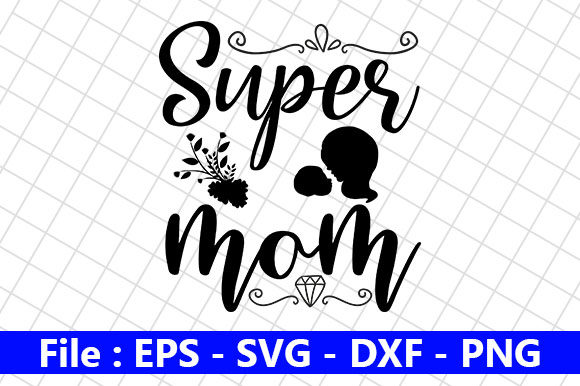
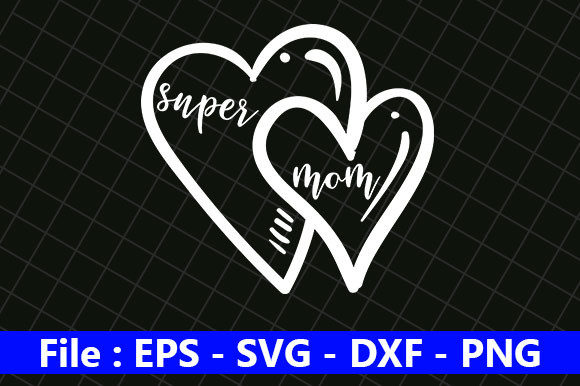
The mood of Mom Life Design, Super Mom is playful yet empowering. It captures the chaotic energy of modern parenting with a touch of humor. Visually, the layout feels balanced, avoiding the cluttered look that plagues many novelty designs. For an embroidery project, this is crucial. A design that looks busy on screen can become a tangled mess of thread if the spacing is too tight. From a graphics perspective, the lines appear clean, which suggests that the underlying vector paths in the included SVG, DXF, EPS, and PNG files are likely well-constructed. This matters because clean vectors usually translate to smoother machine embroidery design outputs, reducing the risk of thread breaks or jagged edges.
I imagine this design fitting naturally into categories like custom apparel and nursery decor. It does not scream "cheap souvenir"; instead, it has the potential to look like a boutique item if paired with the right materials. The visual personality is friendly and approachable, making it an excellent choice for personalized gifts that need to feel heartfelt rather than mass-produced.
Real-World Application: The Tote Bag Test
To truly evaluate a design, you must visualize it in a real-life scenario. I recently considered using a similar theme for a custom embroidered tote bag order. A canvas tote provides a stable surface, ideal for testing how Mom Life Design, Super Mom handles fill stitches. On a heavy cotton canvas, the design would likely pop, especially if stitched with high-sheen rayon or polyester threads. The contrast between the textured fabric and the smooth thread creates depth.
However, placement is key. On a tote bag, the design needs to be centered and large enough to be read from a distance but not so large that it distorts the bag’s structure. If the design includes dense areas, such as solid blocks of color representing a cape or bold lettering, I would recommend checking the stitch density. High density on a flexible item like a tote can cause puckering. Using a cut-away stabilizer would be non-negotiable here to maintain the integrity of the handmade product. For Etsy sellers, this kind of practical insight is what separates a professional listing from an amateur one. Buyers want to know that the item will hold up to daily use, carrying groceries, books, and baby gear.
Versatility Across Products
Beyond tote bags, this design shows promise for sweatshirt embroidery. A crewneck sweatshirt offers a soft, forgiving surface. Here, the challenge shifts to handling the stretch of the fabric. I would advise using a hoop size that accommodates the full design without stretching the garment excessively in the machine. For baby embroidery, such as on a onesie or bib, scale becomes the primary concern. You must ensure that any fine details in the Super Mom text or iconography do not become too small to stitch cleanly. Tiny lettering on stretchy knit fabrics often results in blurred edges if the stabilizer is not adequate.
For those interested in creating an embroidered patch, this design could work well if isolated properly. Patches allow for higher stitch density since they are backed by stiff material and removed from the hoop before cutting. This makes them ideal for intricate parts of the design that might struggle on direct-to-garment applications. Additionally, holiday embroidery projects, such as aprons for Mother’s Day or Christmas gifts, benefit from the thematic relevance of the design. It serves as a strong anchor for a gift that celebrates the recipient’s role.
Technical Considerations and Pitfalls
While the aesthetic appeal is strong, there are areas where caution is necessary. Textured fabrics, such as terry cloth towels or fuzzy fleece, can swallow up fine details. If Mom Life Design, Super Mom relies on thin running stitch outlines, these may disappear into the pile of the fabric. In such cases, increasing the stitch weight or adding a backing layer might be required. Dark fabrics present another challenge. If the design uses light thread colors, you must ensure there is no gap between stitches that reveals the dark fabric underneath. This is where a proper underlay stitch strategy, determined by the digitizer, becomes critical.
Curved surfaces like caps require special attention. The design must be warped or adjusted to fit the curve of the cap front. A flat design applied to a curved surface can look distorted. I recommend creating a printable mockup to visualize how the text arcs or sits on the panel. Furthermore, always check the license terms. Since you receive formats like SVG and DXF, which are often used for cutting machines as well as embroidery, clarify whether the license covers commercial embroidery. Most digital embroidery files allow for selling finished physical items, but reselling the digital file itself is typically prohibited. Confirming this protects your craft business from legal issues.
Enhancing Brand Value and Customer Trust
Using a well-executed design like Mom Life Design, Super Mom can significantly boost the perceived value of your products. Customers associate clean, crisp stitching with professionalism. When a design is legible and aesthetically pleasing, it builds trust. For small shop owners, consistency is vital. If this design aligns with your brand’s voice—perhaps playful, modern, and family-oriented—it reinforces your brand identity. It becomes more than just a graphic; it becomes part of your story.
Buyer engagement increases when products feel unique. A generic clip-art look can deter serious buyers. However, a design that has been thoughtfully integrated into a high-quality garment or accessory stands out. Use high-resolution photos of the finished product to showcase the texture of the thread and the precision of the stitches. Highlight the durability and care instructions, showing that you have considered the longevity of the item. This level of detail reassures customers that they are investing in a quality handmade product, not just a novelty item.
Final Designer Notes
Before committing to a large production run, always test the design on scrap fabric identical to your final material. Check thread color contrast against both light and dark backgrounds. Inspect small details for clarity and ensure that the hoop size you plan to use is sufficient. If the design includes satin stitch elements, verify that they are not too wide, which can lead to snagging. For fill stitch areas, ensure the direction of the stitches complements the shape of the design.
Remember, the provided formats – SVG, DXF, EPS, and PNG – offer flexibility for various crafting methods, but for machine embroidery, you will need the specific embroidery file format compatible with your machine (such as PES, DST, or JEF), which may need to be generated or purchased separately depending on the seller’s offering. Always verify this before purchase. By approaching Mom Life Design, Super Mom with a critical eye and practical preparation, you can create stunning, sellable items that resonate with your audience and stand the test of time.