Mom Design, Cat Mom: A Designer’s Practical Review
As an embroidery designer who has spent years tweaking stitch paths and testing tension on everything from thick denim to delicate silk, I approach every new machine embroidery design with a critical eye. It is not enough for a graphic to look cute on a screen; it must translate flawlessly into thread. Recently, I evaluated the Mom Design, Cat Mom file to determine its viability for real-world commercial and personal projects. This review breaks down how this specific asset performs when moved from digital concept to physical finished product.
First Impressions and Visual Personality
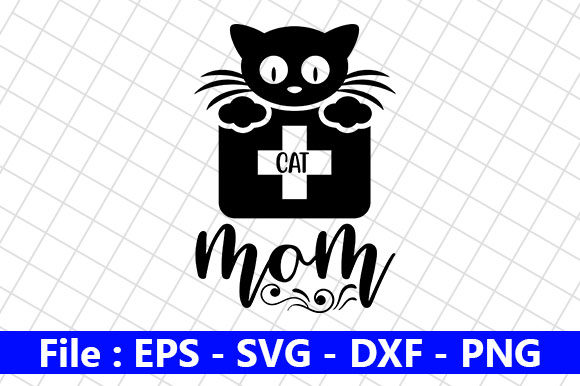
The initial appeal of Mom Design, Cat Mom lies in its balanced simplicity. In the world of Crafts and digital Graphics, clutter is the enemy of clean stitching. This design avoids unnecessary complexity, focusing on a clear silhouette that communicates its theme instantly. The mood is warm, affectionate, and modern, making it highly suitable for the current market trend of pet-centric lifestyle products. When I first loaded the file into my editing software, the layout appeared well-proportioned. The relationship between the text and the graphical elements suggests a design that was created with embroidery constraints in mind, rather than just being a vector image dumped into a converter.
For an Etsy seller or small shop product creator, visual recognition is key. Customers scrolling through listings need to understand the product immediately. This design achieves that clarity. It does not rely on tiny, fragile details that might get lost in the fabric texture, which is a common pitfall in poorly optimized digital embroidery file packages.
Real-World Application Scenarios
To truly test a design, you must imagine it on actual goods. I envisioned using Mom Design, Cat Mom for a custom tote bag design. Tote bags are a staple for craft fairs and boutique branding. The design’s open areas would allow the canvas texture to show through slightly, adding a rustic, handmade charm. However, because tote bags undergo significant stress, I would recommend using a dense fill stitch or a tight satin stitch border to ensure durability during washing.
Another strong candidate for this artwork is sweatshirt embroidery. The soft, looped surface of fleece or cotton blend sweatshirts can swallow small details. Fortunately, the bold lines in this embroidery project should hold up well against the plush background. It creates a cozy, personalized feel that appeals to buyers looking for personalized gift options for friends or family members who adore their feline companions. I also see potential for baby embroidery on onesies or bibs, provided the scale is reduced appropriately and soft threads are used to prevent skin irritation.
For those running a craft business, versatility is profit. This design could easily be adapted for an embroidered patch. Patches are trending in fashion and allow customers to customize their own jackets or bags. If you choose this route, ensure you use a sturdy cut-away stabilizer to maintain the shape of the patch after it is cut from the hoop.
Technical Considerations and Stitching Performance
While the aesthetic is strong, technical execution determines whether a handmade product looks professional or amateur. One must consider stitch density. If the design relies heavily on solid fills, it may become stiff, especially on lighter fabrics. I advise checking the stitch count and density settings in your machine software before hitting start. For custom apparel like t-shirts, which are stretchy and thin, excessive density can cause puckering. In such cases, using a high-quality tear-away or cut-away stabilizer is non-negotiable.
The provided formats—SVG, DXF, EPS, and PNG—are primarily vector and raster graphics files. It is crucial to note that these are not native machine embroidery files like PES or DST. As a designer, I must clarify that you will likely need to digitize these graphics yourself or use auto-digitizing software if you do not have access to pre-digitized versions. Auto-digitizing can sometimes create inefficient running stitch paths or excessive jump stitches. Therefore, always inspect the stitch order and trim points manually. Clean up any unnecessary nodes in the SVG or DXF before conversion to ensure smooth curves and minimal thread breaks.
Fabric and Hoop Constraints
Where should you use caution? Small hoop sizes can be tricky if the design has wide dimensions. Always measure your maximum hoop area against the design’s bounding box. Additionally, textured fabrics like terry cloth or heavy knits require careful handling. The thread colors you choose must contrast sufficiently with the fabric. For example, stitching white thread on a white towel will render the design invisible unless you use a backing fabric or applique technique. Speaking of which, this design could work beautifully as an applique design, where a piece of patterned fabric is stitched down, reducing stitch count and adding visual interest.
Dark fabrics present another challenge. If you are stitching on black or navy, ensure your thread colors are vibrant enough to pop. Pastel threads may look muddy on dark backgrounds. I recommend creating a printable mockup or a digital preview in black and white to check contrast levels before committing to expensive thread.
Commercial Value and Brand Consistency
For commercial embroidery professionals, consistency builds trust. Using a clean, well-balanced design like Mom Design, Cat Mom helps maintain a professional brand image. Sloppy stitching or poorly scaled designs can deter repeat customers. This particular asset, when executed correctly, enhances the perceived value of the item. It feels thoughtful and intentional, which is essential for holiday embroidery gifts or special occasion items where emotional connection drives the purchase.
When listing this as a design asset or finished good, transparency about the process matters. If you are selling the digital files, clarify that they are graphics for crafting, not ready-to-stitch machine files, unless you provide the converted formats. If you are selling finished goods, highlight the quality of materials and the care taken in stabilization and finishing. This builds buyer engagement and reduces return rates.
Final Designer Notes
Before launching this design into your production line, follow these practical steps:
- Test on scrap fabric: Never stitch directly on your final garment. Use a similar weight and weave of fabric to test tension and registration.
- Check license terms: Confirm whether the license allows for commercial use of finished products. Since the product description lists graphics formats, ensure you have the right to sell items made from these designs.
- Inspect small details: Zoom in on the digital file. Are there any stray pixels or broken lines that could cause machine errors?
- Compare backgrounds: View the design on both light and dark backgrounds to ensure versatility.
- Use proper stabilizer: Match the stabilizer to the fabric type. Water-soluble topside stabilizer can help prevent sinking on piled fabrics like towels.
In conclusion, Mom Design, Cat Mom is a promising asset for designers and makers. Its strength lies in its clear visual communication and adaptability across various embroidery file applications. By paying attention to technical details like stitch density, fabric choice, and stabilization, you can transform this graphic into a high-quality, sellable product that resonates with cat lovers everywhere. Whether for a small business merchandise line or a heartfelt personalized gift, this design holds up under professional scrutiny.